Total aerobic plate count (ISO 21149:2017)
Yeast & mould count (ISO 16212:2017)
Pathogens test
Staphylococcus aureus (ISO 22718:2016)
Pseudomonas aeruginosa (ISO 22717:2016)
Candida albicans (ISO 18416:2015)
Escherichia coli (ISO 21150:2015)
Microbiological specifications need to be provided for cosmetic products that are placed on the EU and UK markets. Microbiological testing is vital in ensuring cosmetic product safety.
CE.way can test your products for all of the most commonly investigated microbiological specifications of finished products, therefore ensuring the safety of your products and their compliance with the EU cosmetics regulation.
Total aerobic plate count (ISO 21149:2017)
Yeast & mould count (ISO 16212:2017)
Pathogens test
Staphylococcus aureus (ISO 22718:2016)
Pseudomonas aeruginosa (ISO 22717:2016)
Candida albicans (ISO 18416:2015)
Escherichia coli (ISO 21150:2015)
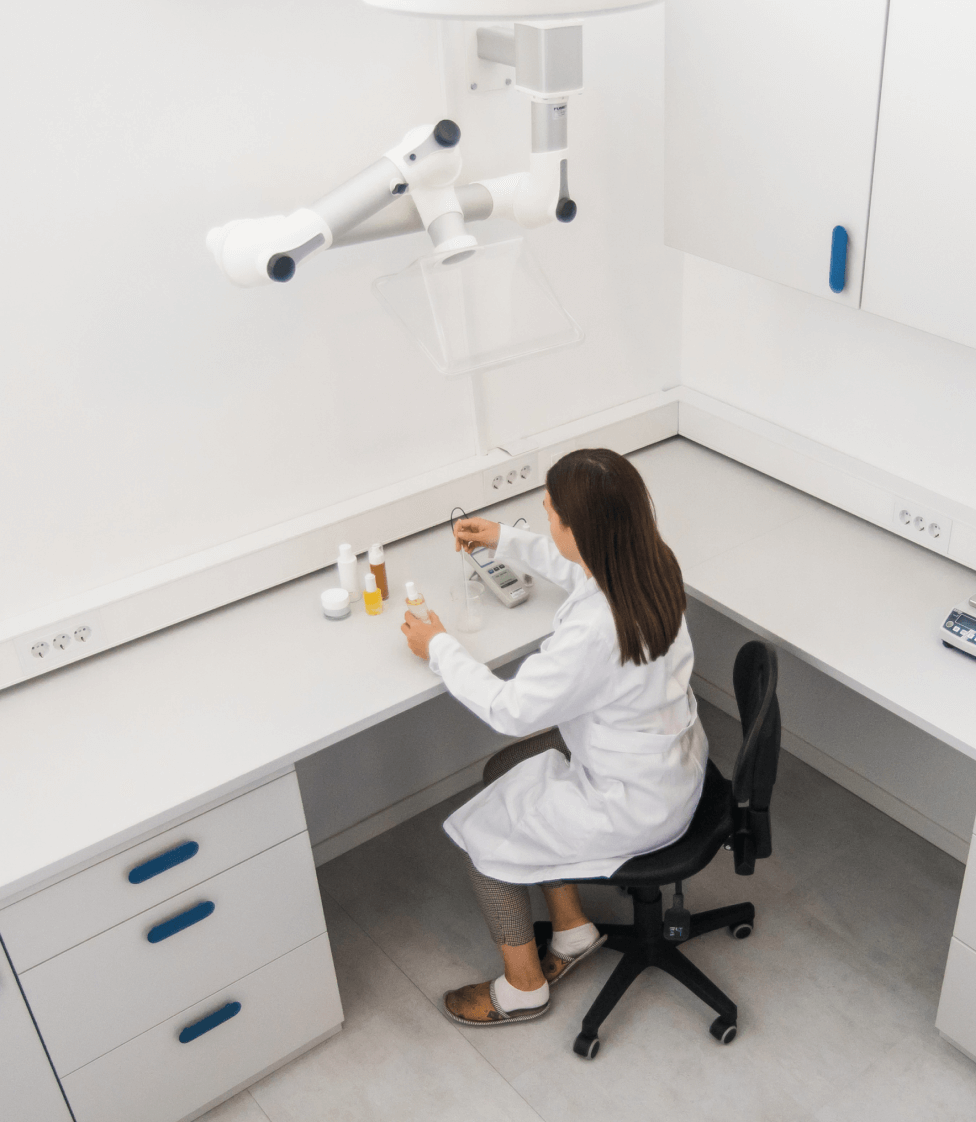

Microbiology testing for cosmetics is a laboratory analysis used to detect and measure the presence of microorganisms in a cosmetic product. It ensures that the product is free from harmful bacteria, yeasts, and moulds, and that it meets required safety standards before being placed on the EU and UK markets.
Microbiological testing is essential to guarantee product safety and consumer health. Contaminated products can lead to skin irritation, infections, or product spoilage. This testing ensures that the cosmetic product remains safe throughout its shelf life and complies with EU Cosmetics Regulation 1223/2009.
Yes, microbiology testing is required for cosmetic products sold in the EU and UK. Manufacturers must provide microbiological specifications as part of the Product Information File (PIF) to demonstrate that the product meets regulatory safety requirements.
The Total Aerobic Plate Count (ISO 21149:2017) measures the total number of aerobic microorganisms present in a product. It provides an overall indication of the product's microbial quality and helps determine whether contamination levels are within acceptable limits.
The Yeast & Mould Count (ISO 16212:2017) evaluates the presence of fungi, including yeasts and moulds, in a cosmetic product. This is important because fungal contamination can affect both the stability and safety of the product.
Pathogen tests are used to detect specific harmful microorganisms that must not be present in cosmetic products. These include bacteria and fungi that can pose serious risks to consumer health, even in small quantities.
Standard microbiology testing includes detection of key pathogens such as:
Staphylococcus aureus (ISO 22718:2016)
Pseudomonas aeruginosa (ISO 22717:2016)
Candida albicans (ISO 18416:2015)
Escherichia coli (ISO 21150:2015)
These microorganisms are selected because they are commonly associated with product contamination and potential health risks.
Microbiological testing involves collecting samples of the cosmetic product and analyzing them in a controlled laboratory environment. The samples are cultured to detect and quantify microbial growth, following standardized methods such as ISO testing protocols.
If a product fails microbiology testing, it indicates contamination or inadequate preservation. The formulation may need to be adjusted, the manufacturing process reviewed, or the preservative system improved. The product must be retested before it can be legally placed on the market.
Microbiology testing provides documented evidence that a cosmetic product meets required microbiological safety standards. It is a key part of the PIF and supports the Cosmetic Product Safety Report (CPSR), ensuring compliance with EU and UK regulations and enabling safe market placement.